Concrete has undergone a remarkable transformation in the world of design. Once considered purely industrial, it’s now celebrated for its raw elegance and adaptability. Among the many finishes available, grey stained concrete floors stand out as a minimalist masterpiece—subtle, striking, and effortlessly modern.
But the question remains: Are they worth the investment?
Whether you’re remodeling your living space, reimagining your patio, or building something new from the ground up, understanding what grey-stained concrete offers—both functionally and aesthetically—can help you make an informed decision you’ll be proud of for years to come.
The Allure of Grey Stained Concrete Floors
There’s something timeless about grey. It doesn’t shout. It doesn’t beg for attention. Instead, it quietly elevates everything around it.
Grey stained concrete floors reflect this philosophy. They provide a grounding presence—neutral, calming, and endlessly versatile. Whether paired with rustic wood, polished steel, or soft textiles, grey serves as the perfect foundation for virtually any interior or exterior space.
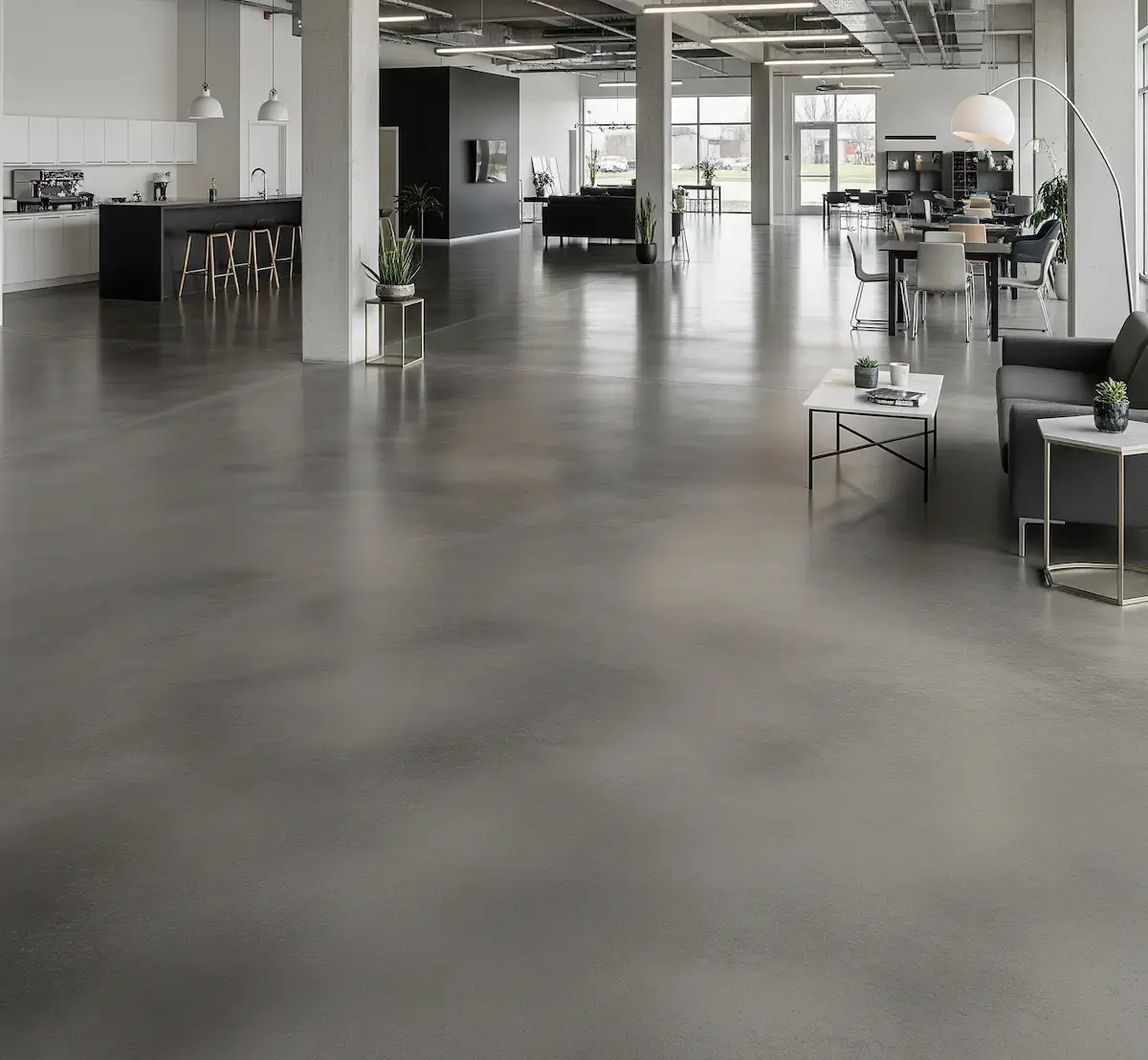
Unlike concrete paints or overlays, stains penetrate the surface, creating organic patterns and rich tonal variation. Each slab becomes a one-of-a-kind piece. Some resemble weathered stone; others take on the subtle movement of smoky clouds. In every case, the result is authentic and striking in its simplicity.
Acid Stained Concrete Floors vs. Water-Based Options
Choosing the right stain means understanding the difference between acid stained concrete floors and their water-based counterparts. Each brings its own set of characteristics and benefits.
Acid-Based Stains
Acid stains are reactive, meaning they chemically interact with the lime in the concrete. This reaction creates variegated, earthy hues with depth and character—no two applications look the same.
- Color Range: Subdued greys, browns, coppers, charcoals
- Texture: Slightly mottled and marbled, with natural-looking movement
- Durability: Extremely long-lasting, resistant to fading and UV exposure
- Best Use: Indoor living areas, covered patios, commercial spaces seeking a high-end aesthetic
Water-Based Stains
These stains are more predictable and offer a wider range of stained concrete colors. While they don’t chemically react with concrete, they bond to the surface to create consistent, vibrant coverage.
- Color Range: Greys, blues, reds, greens, pastels
- Texture: Smooth, uniform finish, available in semi-transparent or solid tones
- Durability: Good, though may require more frequent resealing in high-traffic zones
- Best Use: Residential interiors, accent floors, DIY-friendly projects
Both options support grey tones, but if you want those ethereal cloud-like swirls or deep stone-like shading, acid staining is the method of choice.
Real-World Appeal: Concrete Stained Floors in Action
One of the most visually compelling examples of what’s possible? The stained concrete patio before and after transformation. A dull, uninspiring slab becomes a warm, welcoming extension of the home—visually cohesive with its surroundings, and designed to withstand weather, traffic, and time.
Indoors, concrete stained floors shine in open-plan kitchens, minimalist living rooms, stylish entryways, and even bathrooms. Their adaptability and cool surface make them a favorite in warmer climates, while radiant heating systems can easily be installed underneath for cozy winters.
Stained concrete also excels in:
- Retail environments looking for low-maintenance luxury
- Studios and lofts where raw elegance is celebrated
- Basements and workshops where moisture resistance is a must
- Modern offices blending function with fashion
Every application adds character and a touch of modern sophistication, while maintaining the practicality that concrete is known for.
How to Clean Stained Concrete Floors
Low maintenance is one of the most beloved traits of stained concrete. These floors aren’t just pretty—they’re practical.
Routine Maintenance
- Sweep or dust mop daily or weekly to prevent abrasive dirt buildup
- Wet mop with a pH-neutral cleaner and warm water to refresh the surface
- Avoid harsh chemicals or acidic cleaners that can degrade the sealer
Spill Management
For sealed floors, spills usually sit on the surface and can be wiped up quickly. In kitchens or high-traffic zones, applying a topical wax over the sealer offers extra protection.
Long-Term Care
Resealing every 2–4 years is generally recommended, depending on foot traffic. This process restores shine, enhances color, and adds another layer of stain and moisture resistance.
The takeaway? Learning how to clean stained concrete is simple—and requires far less work than traditional flooring options like carpet, wood, or grout-filled tile.
A Spectrum of Style: Stained Concrete Colors
While grey remains a design staple, stained concrete colors have evolved far beyond the basics. Current trends include:
- Soft Pearl Grey: Light and airy, perfect for Scandinavian-style spaces
- Smoky Charcoal: Bold and moody, excellent for contrast-rich interiors
- Slate Blue or Olive Green: Earthy and grounding, ideal for patios or sunrooms
- Burnt Umber or Copper: Warm tones that bring rustic character indoors
Many homeowners experiment with layering multiple colors, using saw cuts to create faux tiles or borders. Others opt for high-gloss finishes that reflect light dramatically.
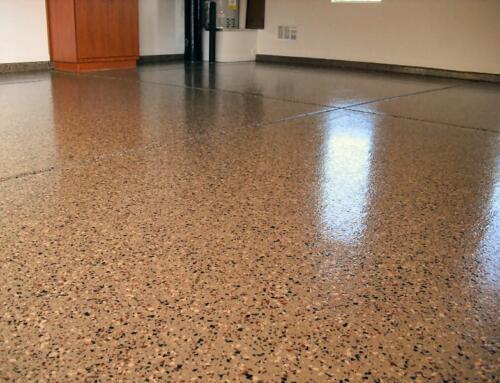
Need visual proof? A quick search through pictures of stained concrete floors reveals stunning examples—from understated elegance to artistic expression.
Importance of the Article
This guide exists to bridge the gap between perception and reality. For years, concrete was associated with garages, warehouses, and unfinished basements. But stained concrete—especially in refined shades like grey—offers something far more sophisticated.
Homeowners weighing design options often don’t realize how affordable, low-maintenance, and beautiful grey stained concrete floors can be. This article brings those details into focus, helping readers make a confident, well-informed decision—one that blends beauty with practicality.
Conclusion
So, are grey stained concrete floors worth it?
Yes—resoundingly so.
They bring together the elegance of stone, the modernity of polished surfaces, and the rugged reliability of concrete. From serene grey interiors to warm, weather-resistant patios, stained concrete creates continuity, comfort, and character all in one.
In a world of fleeting design trends, this is a timeless choice—easy to live with, hard to damage, and endlessly adaptable to your personal style.
Ready to Elevate Your Space with Stained Concrete?
If you’re imagining the sleek simplicity of grey under your feet, the inviting charm of a refreshed patio, or the striking movement of acid stained concrete floors, there’s never been a better time to act.
Epoxy Flooring Albany specializes in artisan-quality stained concrete that reflects your vision. Whether you’re looking for indoor elegance or an outdoor wow-factor, our team delivers expertise, precision, and lasting beauty.
Visit https://www.epoxyflooringalbany.com to request a quote, view pictures of stained concrete floors, or schedule your free consultation today.
Let’s take your concrete from plain to profound—starting now.